
Weekly insulin has arrived in India. Here’s what it means for your plate.
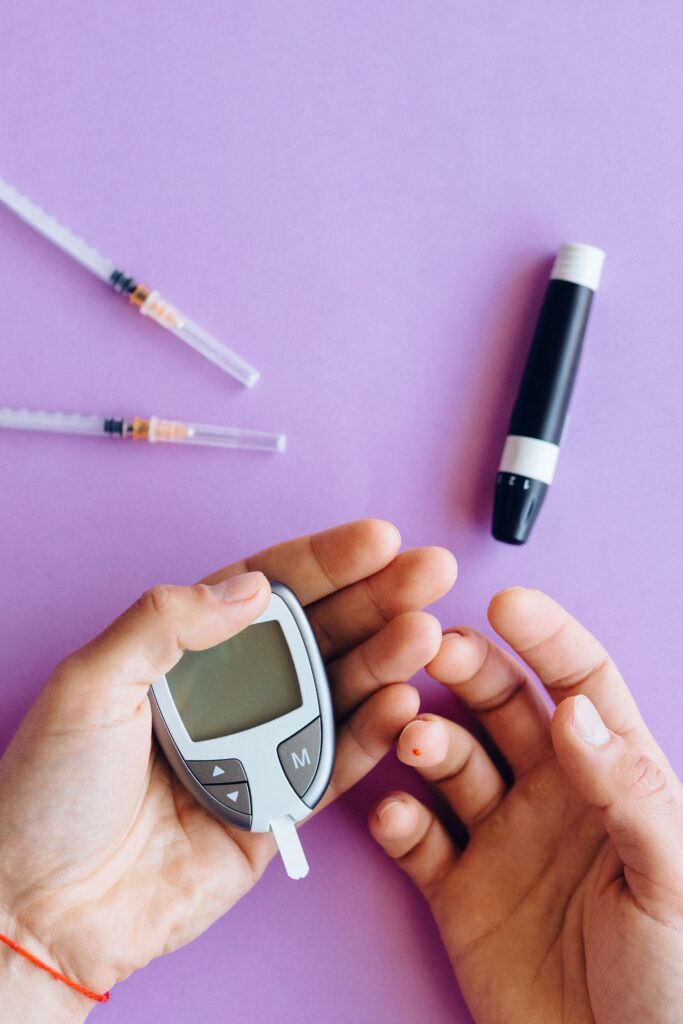
Awiqli® (insulin icodec), a once-weekly basal insulin, has recently launched in India for adults living with diabetes. For someone used to a daily long-acting insulin injection, this is a meaningful change: instead of 365 basal injections a year, there may be 52.
But the most important thing to understand is this: weekly insulin changes the schedule of the injection, not the fundamentals of diabetes care. Your food, glucose monitoring, activity and treatment plan still matter.
First, what is “basal” insulin?
Think of basal insulin as the background insulin your body needs between meals and overnight. It helps manage the glucose your liver releases all day.
Weekly insulin icodec is designed to provide that background coverage for a full week. It is not a replacement for food-time (rapid-acting) insulin when that is prescribed. People with type 1 diabetes, in particular, still need insulin around meals as advised by their diabetes clinician.
It is also not a “free pass” for unlimited sweets, large portions or skipped meals. No insulin works best in isolation; food choices and dosing need to work together.
What does the evidence say?
In a large 52-week study of adults with type 2 diabetes starting insulin, once-weekly icodec lowered average blood glucose (HbA1c) slightly more than daily insulin glargine U100. Participants using icodec also spent more time in the target glucose range. However, low blood glucose events are still possible, so the medicine needs careful dose selection and follow-up. Read the trial in The New England Journal of Medicine.
The benefit is mainly convenience: fewer basal injections may make it easier for some people to stay consistent. It is not automatically the right option for everyone. Your doctor should decide whether it fits your diabetes type, current medicines, glucose pattern, lifestyle and ability to monitor blood sugar.
A nutritionist’s view: what should change in your diet?
For most people, there is no special “weekly insulin diet.” The goal is not to eat less at random or to remove all carbohydrates. The goal is a regular, balanced eating pattern that helps you and your care team see what your glucose is doing.
Here is what I would focus on:
1. Keep carbohydrates steady, not perfect
Carbohydrates raise blood glucose, but they are not the enemy. Include measured portions of foods such as roti, rice, millets, oats, fruit, dal and dairy. Try not to swing between very large carb-heavy meals one day and almost no carbs the next without discussing it with your clinician.
Choose higher-fibre carbohydrates more often:
- 1–2 phulkas with dal and sabzi instead of a large serving of refined-flour foods
- Brown rice, hand-pounded rice or millets in a portion that suits your plan
- Whole fruit rather than juice
- Chana, rajma, sprouts, sambar and dals for fibre plus protein
There is no single ideal carbohydrate, protein or fat ratio for every person with diabetes. A plan that fits your culture, budget, preferences and routine is more likely to last. ADA nutrition guidance supports an individualised approach.
2. Build a balanced plate
At lunch and dinner, aim for:
- Half the plate: non-starchy vegetables
- One quarter: protein such as dal, curd, paneer, eggs, fish or chicken
- One quarter: carbohydrate-rich food such as roti, rice or millet
Add a small amount of healthy fat from nuts, seeds or oils. This pattern improves fullness and makes glucose spikes easier to manage.
3. Do not skip meals to “make insulin work”
Skipping meals, crash dieting, fasting or suddenly cutting carbohydrates can increase the risk of low blood glucose for people taking insulin. If you want to fast for religious reasons, lose weight, or make a major dietary change, plan it with your doctor and dietitian first. Never change your insulin dose on your own.
4. Know how to treat a low
Shakiness, sweating, hunger, dizziness, confusion or sudden weakness can be signs of low blood glucose. Follow the low-glucose plan given by your care team. Keep a fast-acting carbohydrate source accessible, such as glucose tablets or glucose powder. Repeated lows, night-time symptoms or a change in eating pattern are reasons to contact your clinician promptly.
5. Track before you judge
A food diary paired with glucose readings can be more useful than chasing “good” and “bad” foods. Note your meal, portion, activity and glucose result. This helps identify your own patterns and gives your dietitian something real to work with.
The gut feeling takeaway
Weekly insulin is an exciting option because it may reduce treatment burden. But it does not replace daily self-care. The most sustainable approach is still simple: eat regular balanced meals, include fibre and protein, monitor your glucose as advised, and make one manageable habit change at a time.
If you are considering weekly insulin, ask your doctor: What stays the same in my treatment plan, what changes, and how should I monitor for lows?
This article is for education and is not a substitute for personal medical advice. Do not start, stop or alter insulin without your prescribing clinician’s guidance.